Best disposable vapes are not defined by one brand name, the largest capacity number, or the most colorful package. For adult cannabis consumers in legal markets, a useful comparison starts with what is actually inside the device, how clearly that information is disclosed, whether the hardware is appropriate for the oil, and whether the product comes through a regulated source.
The disposable category has changed quickly. Many current devices are technically all-in-one vapes: they arrive prefilled and are not intended to be refilled, but some can be recharged so the battery lasts long enough to use the remaining oil. At the same time, product menus now include distillate, live resin, liquid diamonds, terpene-rich formulations, multiple capacities, and a wide range of hardware shapes.
What Are Disposable Vapes?
A disposable vape is a prefilled device that combines the cannabis oil reservoir, heating element, mouthpiece, and battery in one unit. Traditional disposable models were intended to be used until the battery or oil was depleted and then discarded. Many 2026 designs add USB charging while remaining non-refillable.
That distinction matters when comparing search terms such as disposable vape, rechargeable disposable vape, and all-in-one vape. They can describe overlapping product formats rather than completely different categories.
For cannabis products, the oil can also differ substantially. A device labeled distillate may deliver a different terpene profile from a live resin device. A “liquid diamonds” formulation may use different processing and blending methods again. Instead of assuming every disposable works the same way, read the product label and extract description.

What Makes the Best Disposable Vapes in 2026?
Commercial lists often rank devices almost entirely by popularity. Popularity is useful context, but it does not answer the most important quality questions. A better comparison uses several criteria together.
1. Clear product and extract information
Look for labeling that identifies the product type, cannabinoid information where required, ingredients or extract description, batch details where applicable, and manufacturer information. Vague packaging makes meaningful comparison difficult.
2. Hardware matched to the oil
Different cannabis extracts can have different viscosity and heating requirements. The coil, airflow, intake ports, and power delivery all affect how consistently the device performs. A large oil reservoir paired with weak hardware can be less useful than a smaller device with more consistent delivery.
3. Testing and traceability
In regulated cannabis markets, testing and tracking requirements vary by jurisdiction. Where a certificate of analysis, QR code, batch number, or state tracking information is provided, use it. Packaging alone should not be treated as proof of authenticity.
4. Sensible capacity
Higher-capacity devices may sound like the obvious value choice, but capacity should be considered alongside battery performance, oil stability, storage conditions, and how quickly the device will realistically be used. For some consumers, a smaller format may stay fresher and be easier to manage.
5. Battery and charging design
Rechargeable all-in-one devices can reduce the chance of oil remaining after the battery is depleted. That does not make every rechargeable model equal. Port quality, charging protection, battery size, and the device’s overall power management still matter.
Popular Disposable Vape Brands: What Brand Names Do—and Don’t—Tell You
Search demand around disposable vape brands, popular disposable vape brands, and best disposable vape brands is strong because shoppers often begin with a name they recognize. Brand familiarity can make comparison easier, but it should be treated as one signal rather than the entire decision.
Product lines can change over time. A brand may release multiple hardware generations, capacities, oil types, or region-specific products. Two products carrying the same brand name may therefore offer different experiences. Compare the individual device, not only the logo.
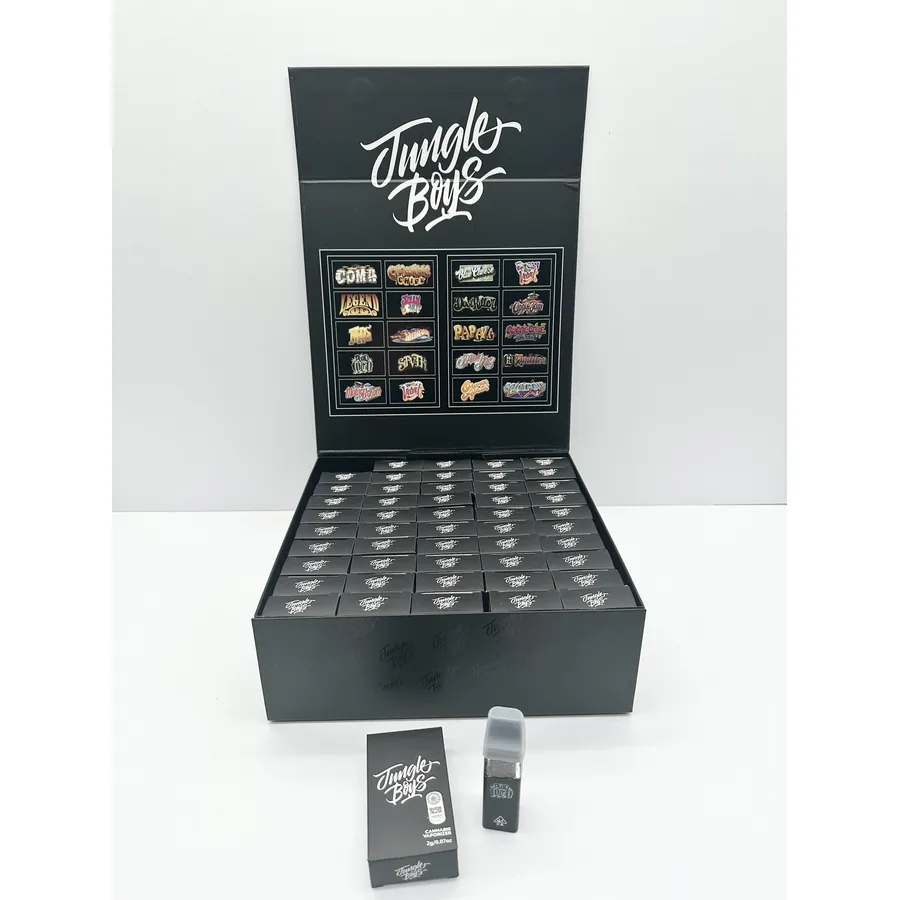
Our current disposables category shows the variety of formats that can exist within one broad product class. Use category pages as a way to compare specifications and product descriptions rather than assuming all all-in-one devices are interchangeable.
THC Disposable Vape vs Nicotine Disposable Vape
The phrase “disposable vape” is used for both nicotine products and cannabis products, but the two should not be confused. This guide is focused on THC disposable vape and cannabis-derived all-in-one products for adults where legally available.
Nicotine-disposable search results often focus on e-liquid strength, puff-count marketing, and nicotine salt formulations. Cannabis disposables instead tend to be compared by cannabinoid content, extract type, terpene profile, hardware, capacity, and regulated-market testing or labeling.
This difference is important for SEO as well as consumers. Terms such as “zero nicotine disposable vape” and “nicotine-free disposable vape” can have substantial search volume, but they describe a different product market and should not be forced into cannabis content simply because the words overlap.
Distillate, Live Resin, Liquid Diamonds and Other Extract Types
The oil inside the device is one of the biggest factors separating one THC disposable from another.
Distillate
Distillate is a highly refined cannabis extract that can provide high cannabinoid concentration and a relatively neutral base. Terpenes may be added back to create the final aromatic profile. It is common because it can be formulated consistently across many products.
Live resin
Live resin is associated with processing methods designed to retain more of the aromatic compounds present in fresh or freshly frozen cannabis material. Consumers often choose it when terpene character and a more plant-specific profile are priorities.
Liquid diamonds and high-cannabinoid blends
“Liquid diamonds” is a marketing term used for formulations that generally involve high-cannabinoid concentrates combined with a liquid fraction suitable for vape hardware. Exact production methods and formulation details can vary, making transparent labeling especially important.
Rechargeable Disposable Vapes: Why the Name Sounds Contradictory
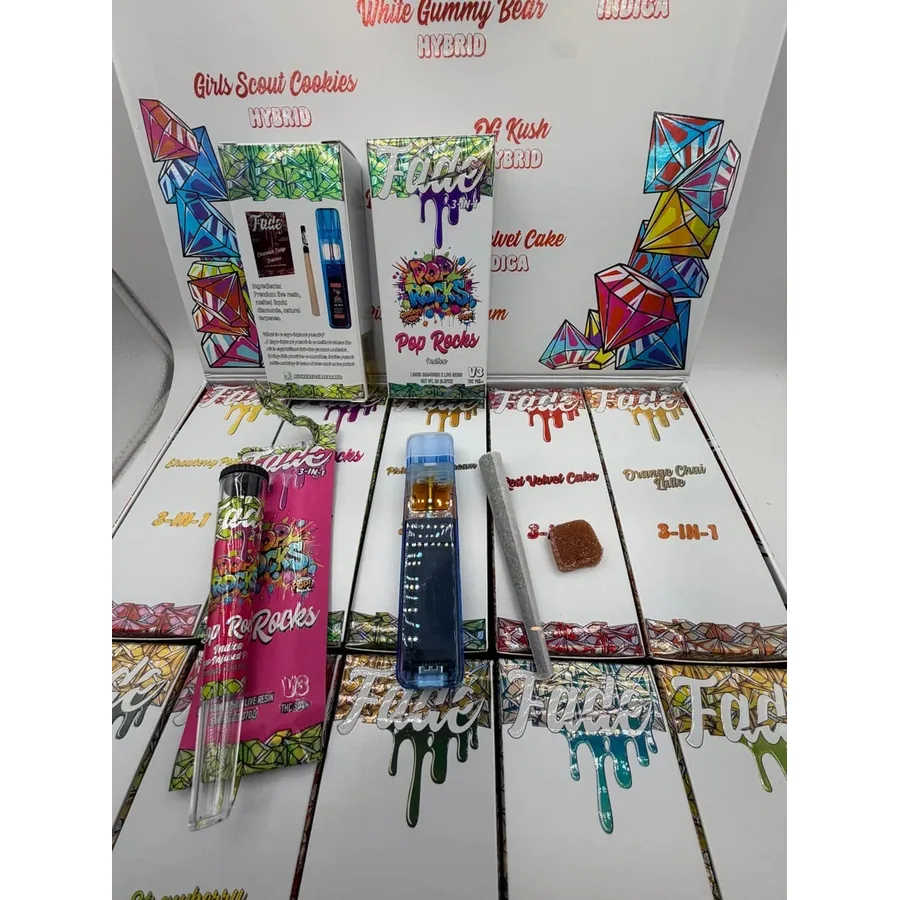
A rechargeable disposable vape can sound contradictory, but the terms refer to two separate parts of the design. “Rechargeable” describes the battery. “Disposable” usually means the oil reservoir is prefilled and the device is not designed to be opened and refilled by the consumer.
Charging can be useful on higher-capacity all-in-one devices because the original battery charge may not be enough to vaporize the full reservoir. If a device includes a charging port, follow the manufacturer’s instructions and use appropriate charging equipment. Stop using a device that is damaged, unusually hot, swollen, leaking, or otherwise abnormal.
Disposable Vapes Flavours and Terpene Profiles
The keyword disposable vapes flavours often leads to nicotine-focused pages, but cannabis disposables also use flavor and aroma descriptions. In cannabis products, these descriptions may come from strain-associated terpene profiles, added botanical terpenes, cannabis-derived terpenes, or a combination depending on the formulation.
Rather than selecting by a flavor name alone, check what the producer says about the extract and terpene source. Terms such as fruit, candy, gas, citrus, dessert, mint, pine, or floral are descriptive categories, not guarantees that two similarly named products will taste identical.
How to Compare Disposable Vape Devices
| Feature | What to check | Why it matters |
|---|---|---|
| Extract | Distillate, live resin, liquid diamonds, other blend | Changes aroma, formulation and overall profile |
| Capacity | Stated oil amount | Helps compare size, but does not determine quality alone |
| Battery | Rechargeable or non-rechargeable | Affects whether the battery can last through the reservoir |
| Hardware | Airflow, coil, intake design | Influences consistency and oil delivery |
| Labeling | Batch, cannabinoid, ingredient and producer information | Supports informed comparison and traceability |
| Testing | Required compliance information or COA where available | Provides more useful evidence than packaging claims alone |
Is a Bigger Disposable Vape Better?
Not necessarily. Capacity has become one of the easiest specifications to market because consumers can compare a number quickly. But a 2-gram or 3-gram label does not automatically mean better oil, better hardware, or better value.
Higher capacity can be convenient when the hardware is engineered for the full volume and the product is stored properly. On the other hand, a smaller device may be preferable for someone who changes varieties frequently or does not use a vape often. Consider the entire system.
Authenticity, Packaging and Counterfeit Risk
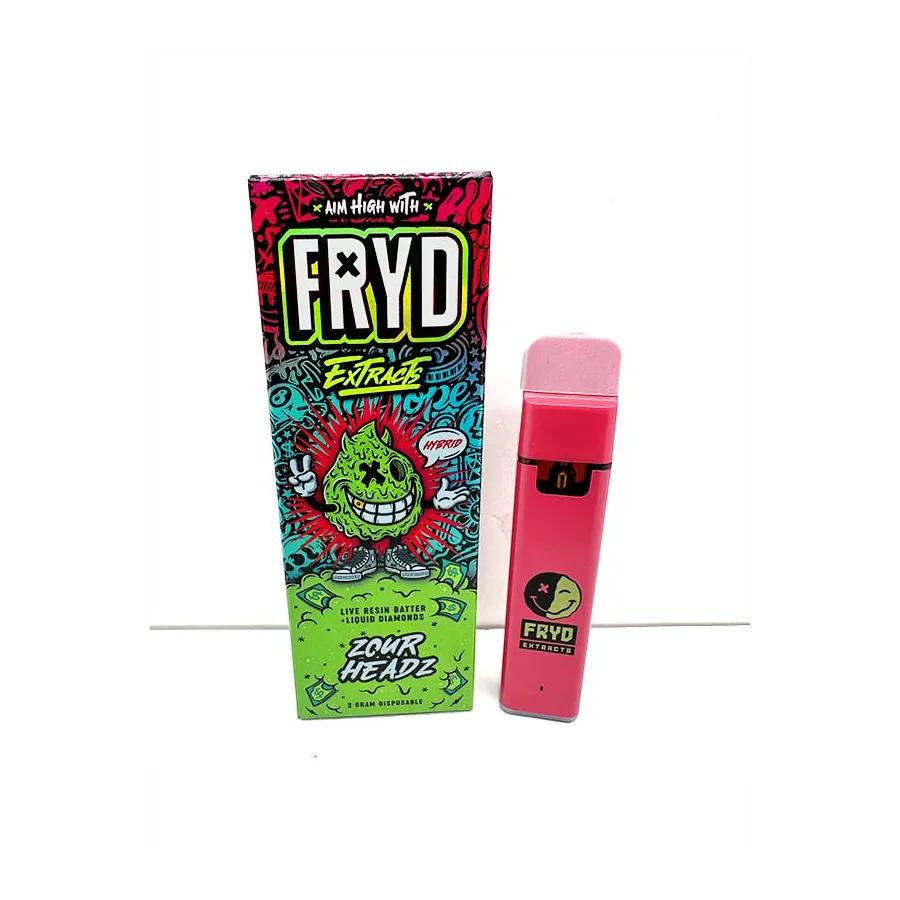
Cannabis vape products can be counterfeited, and recognizable packaging can be copied. Do not use appearance alone as an authenticity test.
Where legal regulated sales exist, stronger checks can include purchasing through licensed channels, reviewing state-required labels, matching batch or tracking details, confirming QR destinations carefully, checking tamper evidence, and comparing the product against official manufacturer information. Requirements differ by state, so local rules matter.
Be cautious with products that have missing labels, spelling errors, obviously altered packaging, unexplained oil appearance, leakage, broken seals, or no reasonable way to identify the producer or batch.
Storage and Device Care
Disposable does not mean maintenance-free in every respect. Storage conditions can affect both oil and hardware. Keep devices away from excessive heat, direct sunlight, water, children, and pets. Avoid leaving a vape in a hot vehicle, where temperature can rise quickly.
Store the device upright when practical, especially if the manufacturer recommends it. If it has a charging port, keep the port clean and dry. Do not attempt to open, puncture, refill, or modify a sealed all-in-one battery device.
How to Dispose of a Disposable Vape Responsibly
Disposable vapes contain lithium batteries and electronic components. That means they should not automatically be treated like ordinary household trash. Local battery recycling and electronic-waste rules vary, and some jurisdictions provide specific collection programs for vape devices.
Check your local household hazardous waste or battery recycling guidance. Responsible disposal is an increasingly important part of evaluating disposable hardware, particularly as larger rechargeable all-in-one products become common.
So, What Is the Best Disposable THC Vape?
There is no universal winner for every adult consumer. The best disposable THC vape for a given person depends on priorities such as extract type, terpene profile, capacity, hardware format, charging preference, and the product information available.
A better shortlist is built by eliminating weak options first: unclear provenance, poor labeling, damaged packaging, questionable authenticity, mismatched hardware, or products that do not fit local legal requirements. After that, compare the remaining devices by the experience and format you actually prefer.
Frequently Asked Questions About Disposable Vapes
What should you look for in a disposable vape?
Compare device construction, oil information, testing transparency where required or available, battery design, capacity, labeling, and whether the product comes from a legal regulated source. Avoid judging quality from packaging or capacity alone.
Are rechargeable disposable vapes still disposable?
Yes. Many modern all-in-one devices include a charging port so the battery can be recharged during the life of the prefilled device, while the oil reservoir remains non-refillable.
What is the difference between live resin and distillate disposable vapes?
Distillate is a highly refined cannabis extract. Live resin is produced using methods intended to retain more aromatic compounds from the starting material. Actual formulas vary by manufacturer, so labels and testing information should guide the comparison.
How long does a disposable vape last?
There is no single lifespan. Oil capacity, battery size, draw length, frequency of use, temperature, hardware efficiency, and device settings can all change how long a device lasts.
Does a higher gram count mean a better disposable vape?
No. Gram count describes capacity, not overall quality. Hardware, extract quality, battery design, labeling, freshness, and product authenticity are separate considerations.
How should disposable vape batteries be discarded?
Follow local rules for lithium batteries, electronic waste, or vape-device collection. Do not casually place damaged lithium-battery devices in household trash where local rules prohibit it.
Final Takeaway
Searches for best disposable vapes, best disposable vape brands, and best disposable vape 2026 make the category sound like it should have one simple ranking. In practice, the most useful comparison is more specific. Start with the extract, labeling, hardware, battery design, authenticity, and legal-market information, then narrow the options according to your preferences.
For more product-format information, see the Packwoods disposables collection, or continue through the Packwoods blog for future guides on vape costs, rechargeable disposable formats, common device problems, extract types, and cannabis product education.